
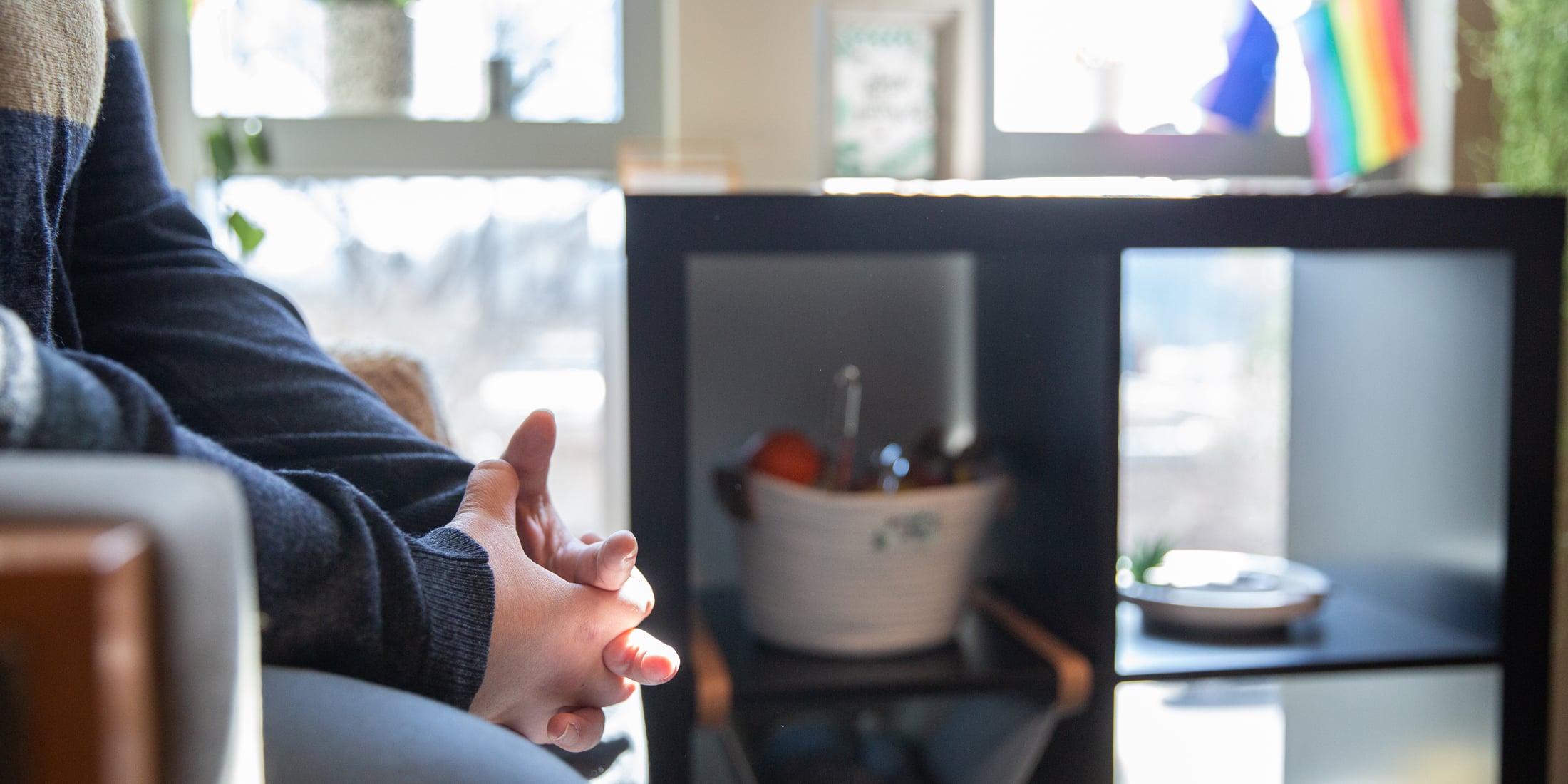
Each year, UT’s Student Counseling Center provides individual therapy to around 2,000 students. As part of an ongoing initiative to enhance access, consistency, and quality of care, the Student Counseling Center developed eight clinical pathways that help students connect with support tailored to their needs while providing clinicians with a shared framework for addressing the concerns most commonly experienced by college students. This development gives both students and clinicians a helpful plan of what to expect from the short-term therapy relationship available through the center’s scope of practice.
For many programs at UT, learning outcomes, or what students should expect to learn or achieve in the duration of the activity, are shared at the outset of their involvement. From academic courses to leadership programs and serving in student organization roles, many activities a student participates in at UT include measurable outcomes in personal or professional development, career readiness competencies, or relationship building.
Now, through the development of the clinical pathways framework, students accessing mental health support through the Student Counseling Center can have a clearer roadmap for the personal growth they are aiming for during therapy. This roadmap of eight identified pathways helps students understand their goals when they first meet with a clinician at the Student Counseling Center and helps guide clinicians in pursuing treatment options that work best for a student’s
individual evaluation.
For Phil Tucker, associate and clinical director of the Student Counseling Center, these changes don’t simply reflect a change to an internal process, but “what students actually gain from the pathways—feeling heard, understanding their goals, recognizing their progress, and being connected with the support that best aligns with their needs.”
“It’s about what students actually gain from the pathways—feeling heard, understanding their goals, recognizing their progress, and being connected with the support that best aligns with their needs.”
Phil Tucker
Associate and Clinical Director, Student Counseling Center
Those pathways are:
- Safety and Stabilization: immediate support when things in a student’s life feel overwhelming or unsafe.
- Mood and Adjustment: support for students experiencing low mood, stress, or difficulty adjusting.
- Trauma and Anxiety: skills-based, trauma-informed support for anxiety, panic, or stress that interferes with daily functioning.
- Substance Misuse and Process Addiction: non-judgmental support for habits that are impacting safety, relationships, or academics.
- Belonging and Healthy Relationships: interpersonal and identify-focused support for students navigating loneliness, relationship stress, and connection.
- Neurodevelopmental Support: skills-based support for students with ADHD, autism traits, or other neurodivergent experiences.
- Academic and Executive Functioning: support developing practical strategies and habits to manage academic demands and improve organization, planning, and follow through.
- Disordered Eating: early support focused on safety, education, and next steps with connection to appropriate resources when needed.
“While the pathways certainly help us organize care and develop staff competencies, they’re also part of a broader effort to create a more cohesive and coordinated model of care that balances consistency, access, quality, clinical autonomy, and individualized treatment,” adds Tucker.
The scope of the Student Counseling Center’s practice includes services like crisis intervention, individual, and group therapy. The center provides brief or short term-therapy, and for students who need care for longer periods, center staff members are able to support students in finding those services in the community, making referrals to care coordinators in some situations. Clinical pathways help students identify meaningful goals, recognize progress along the way, and leave counseling with a clearer understanding of their next steps and the skills they can continue to use moving forward.
“The goal of this updated framework is two-fold: help students understand their goals for treatment and to create a shared clinical framework that promotes consistency across providers while preserving the flexibility required to meet each student’s unique neeitds,” says Nicole Saylor, director of the Student Counseling Center at UT.
“The goal of this updated framework is two-fold: help students understand their goals for treatment and to create a shared clinical framework that promotes consistency across providers while preserving the flexibility required to meet each student’s unique needs.”
Nicole Saylor
Director, Student Counseling Center
Launched in January 2026, the clinical pathways framework creates opportunities for staff to develop specialty areas of focus while supporting ongoing professional development and collaboration. This framework has also led to the creation of new tools for tracking symptoms and elevated professional development opportunities through collaboration with UT System mental health clinicians at other campuses.
Disordered eating is a growing need among college-age students nationwide, so the most recent pathway identified means the Student Counseling Center is proactively working to address this topic for students at UT. During the 2025–26 academic year, the center, alongside a working group of other health-related campus departments, held the first Disordered Eating/Eating Disorder Week of Awareness on campus to kickstart the program and help students needing these interventions connect to campus resources.
The Student Counseling Center along with other campus departments are also launching a new campus-wide campaign focused on wellness and healthy eating. From a support group available through Rocky Top Recovery to dietician services offered by Vol Dining and healthy eating resources in dining halls and recreation spaces, this group is utilizing many tactics to support students in the areas of healthy eating and wellness.
“For this age group, body image and embracing the concept of health at any size is one of the most prevalent challenges,” adds Saylor.
Altogether, the Student Counseling Center is experiencing a season of expansion and focus, helping tailor therapy experiences more precisely for the outcomes students need, all while increasing the treatment skills of staff clinicians and addressing emerging student issues with timely support. As one of the frontline offices helping engage with students who may be struggling, the Student Counseling Center serves a critical role in the overall health and well-being of UT’s student body.